
Top Frozen Poultry Products for International Trade
In a world where supply chains stretch across continents, frozen poultry remains a reliable staple for foodservice, retailers, and consumers alike. The key to success in international trade is offering products that meet strict quality, safety, and convenience standards while also delivering on flavor and value. Here’s a clever look at the Top Frozen Poultry Products for International Trade and how a proactive exporter like ZANCHETTA ALIMENTOS LTDA can stay ahead of the curve.
Why frozen poultry for international markets?
- Consistent quality: Freezing preserves texture, flavor, and nutrition, reducing the risk of spoilage during long voyages.
- Year-round availability: Seasonal fluctuations in live birds don’t have to affect consumers abroad.
- Convenience and value: Pre-portioned cuts save time for chefs and home cooks, driving repeat purchases.
- Compliance and safety: Frozen products often align with stringent international safety and labeling standards, when properly processed and documented.
Recommended Frozen Product Parts With High Demand
Frozen Chicken Wings
Frozen Chicken Paws
Whole Frozen Chicken
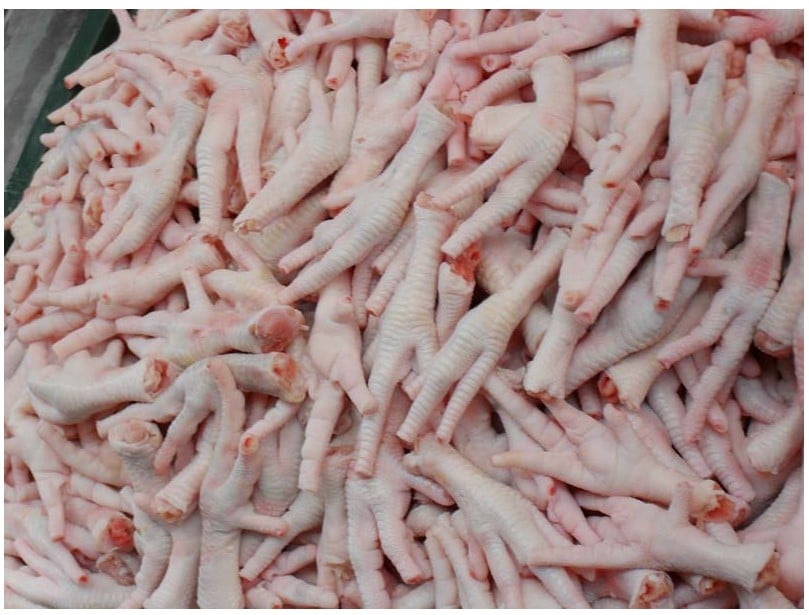
Frozen Chicken Feet
Frozen Chicken Drumsticks
Frozen Chicken Middle joint wing
Frozen Pork Feet
Frozen Pork Hock
Frozen Pork Leg
Frozen Pork Belly
Frozen Pork Ears
Frozen Pork Shoulder
Top frozen poultry products that travel well
1) Frozen boneless, skinless chicken breasts
- Why it travels: Highly versatile, easy portioning, and broad consumer appeal across cuisines. They’re ideal for retailers and foodservice operators looking for a neutral protein.
- Key considerations: Thin slices or butterfly cuts can reduce thaw time; ensure tamper-evident packaging and accurate labeling with country of origin, production date, and freezing method.
2) Frozen chicken thighs and drumsticks (bone-in or boneless)
- Why it travels: Richer flavor, forgiving texture when overcooked, popular in regions favoring dark meat. Great for curries, stews, and roasts.
- Key considerations: Range of sizes to meet market preferences; use vacuum sealing or airtight trays to prevent freezer burn.
3) Frozen chicken wings
- Why it travels: Global demand in casual dining, sports bars, and snack trends. Wings are high in demand for value-added sauces and party platters.
- Key considerations: Pre-separation (split wings) or whole wings; maintain crispness in packaging for fry-ready convenience.
4) Frozen ground chicken and chicken mince
- Why it travels: Essential ingredient for burgers, meatballs, dumplings, and sausages. Convenient for processors and retailers that supply ready-to-cook formats.
- Key considerations: Accurate fat content labeling; avoid off-flavors by maintaining hygiene during grinding and packaging.
5) Frozen turkey products (breasts, mince, thighs)
- Why it travels: Seasonal and year-round demand in markets where turkey is a staple protein. Offers variety beyond chicken.
- Key considerations: Higher fat content in some cuts; ensure proper freezing to preserve succulence.
6) Frozen duck products (breasts, legs, portions)
- Why it travels: Niche but growing demand in cosmopolitan markets and premium dining segments.
- Key considerations: Natural flavor and texture require careful thawing guidelines; packaging should protect delicate skin.
7) Frozen specialty poultry (salsas, stuffed birds, coated products)
- Why it travels: Adds value through convenience and novelty—stuffed chicken breasts, breaded tenders, or marinated kebab skewers.
- Key considerations: Clear cooking instructions and allergen information; consistent coating quality to avoid damage during transit.
What makes a successful international poultry export program
- Quality management from farm to fork: Implement a robust HACCP plan, GMPs, and traceability. Regular supplier audits and transparent certifications reduce risk for importers.
- Cold chain integrity: Use validated freezing methods (IQF, blast freezing, or plate freezing) and reliable cold transport to minimize freezer burn and texture changes.
- Packaging that travels well: Barrier films, vacuum or MAP (modified atmosphere packaging), and clear labeling in local languages help with shelf life and consumer trust.
- Compliance and certifications: Align with the destination country’s standards for veterinary health, residue testing, and labeling. In many markets, third-party certifications (GlobalGAP, ISO, BRC) can be decisive in securing contracts.
- Market-tailored product lines: Different regions prefer different cuts, sizes, and value-added formats. Flexibility in product development can open doors to new accounts.
A note on branding and partnerships: ZANCHETTA ALIMENTOS LTDA
For exporters aiming to build lasting relationships in international markets, branding and reliability matter as much as product quality. ZANCHETTA ALIMENTOS LTDA serves as a practical example of how a focused poultry exporter can position itself for global trade:
- Regional strengths: If ZANCHETTA ALIMENTOS LTDA operates in a region with access to high-integrity poultry suppliers, it can leverage that supply chain to offer consistent quality across multiple product lines.
- Customer-centric approach: Emphasizing on-time delivery, strict cold chain control, and flexible packaging options helps meet the diverse needs of retailers, distributors, and foodservice customers.
- Compliance-first mindset: By maintaining rigorous documentation, certifications, and traceability, ZANCHETTA ALIMENTOS LTDA can simplify market entry for buyers who must meet strict import controls.
Practical steps to enter or expand in international markets
- Start with a landscape scan: Identify target markets with strong demand for frozen poultry and favorable regulatory climates. Gather data on preferred cuts, shelf life, and typical packaging sizes.
- Build a scalable production plan: Invest in reliable freezing capacity, packaging lines, and quality control labs. Plan for audits and certifications that buyers expect.
- Develop a diversified product portfolio: Offer a mix of standard cuts and value-added formats to capture different buyer segments and price points.
- Establish a robust logistics model: Partner with cold chain providers experienced in international shipments. Develop contingency plans for delays, temperature excursions, and customs clearance.
- Foster strong relationships: Attend trade shows, engage with importers and distributors, and provide samples with transparent labeling and documentation.
Closing thoughts
The Top Frozen Poultry Products for International Trade represent a resilient, versatile, and scalable category for global buyers. By prioritizing quality, safety, and market readiness, exporters can create a compelling value proposition that travels well from production lines to dining tables around the world. Whether you’re a seasoned player or a rising company like ZANCHETTA ALIMENTOS LTDA exploring new markets, the keys are consistent cold chain management, market-aware product development, and unwavering compliance discipline.