
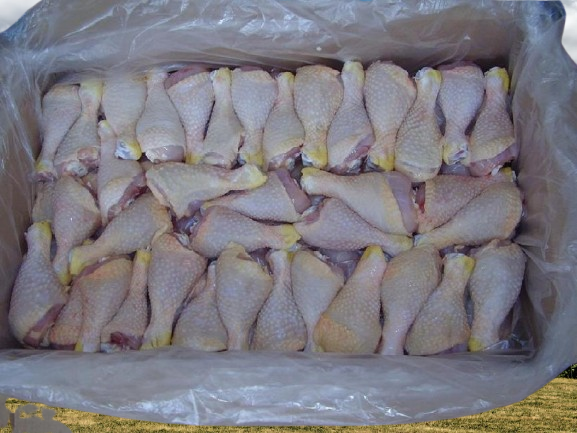
Frozen Chicken, Frozen Pork: Global Trade Challenges in 2026
The global trade of frozen chicken and pork is undergoing significant transformations in 2026. Supply chain disruptions, regulatory changes, geopolitical tensions, and shifting consumer preferences are reshaping the industry. As demand for affordable protein sources grows, particularly in emerging markets, businesses must navigate a complex landscape of challenges and opportunities. Global frozen chicken and pork trade challenges 2026
In this comprehensive guide, we’ll explore the key factors influencing the frozen chicken and pork trade in 2026, including:
- Supply chain disruptions and logistics bottlenecks
- Regulatory and trade policy changes
- Climate change and sustainability pressures
- Consumer trends and market shifts
- Technological advancements in cold chain management
- Geopolitical risks and trade wars
- Future outlook and strategic recommendations
By the end of this article, you’ll have a clear understanding of the challenges ahead and how to position your business for success in the evolving frozen meat trade.
1. Supply Chain Disruptions and Logistics Bottlenecks
The frozen chicken and pork trade relies heavily on efficient logistics and cold chain management. However, in 2026, several supply chain challenges are expected to persist or worsen:
1.1 Rising Transportation Costs
Fuel prices, port congestion, and labor shortages continue to drive up shipping costs. The Red Sea crisis and Panama Canal restrictions have forced rerouting, increasing transit times and expenses.
1.2 Cold Chain Infrastructure Gaps
Many developing nations lack adequate cold storage facilities, leading to spoilage and quality degradation. Investments in modular cold storage solutions and AI-driven inventory management are becoming essential.
1.3 Labor Shortages in Meat Processing
The poultry and pork industries face persistent labor shortages, particularly in key exporting countries like Brazil, the U.S., and Thailand. Automation and robotics are being adopted to mitigate this issue.
1.4 Trade Route Instability
Geopolitical conflicts (e.g., Russia-Ukraine war, U.S.-China tensions) disrupt traditional trade routes, forcing businesses to diversify suppliers and explore alternative markets.
2. Regulatory and Trade Policy Changes
2.1 Stricter Food Safety Standards
The EU’s new Green Deal regulations and U.S. FDA updates impose stricter testing for contaminants like salmonella, avian flu, and antibiotic residues. Non-compliance risks import bans and fines.
2.2 Animal Welfare and Sustainability Mandates
Countries like Germany and the Netherlands are enforcing higher animal welfare standards, pushing producers to adopt free-range or organic farming—increasing costs.
2.3 Carbon Border Adjustment Mechanisms (CBAM)
The EU’s CBAM taxes carbon-intensive imports, including frozen meat. Exporters must reduce emissions or face higher tariffs.
2.4 Trade Agreements and Tariffs
New trade deals (e.g., RCEP, USMCA updates) and tariff wars (e.g., U.S.-China pork trade restrictions) create uncertainty. Businesses must monitor policy shifts closely.
3. Climate Change and Sustainability Pressures
Climate change is reshaping agricultural production and trade patterns:
3.1 Extreme Weather Disruptions
Droughts in Brazil (soybean production) and floods in Thailand (rice paddies) affect feed availability, increasing costs for poultry and pork farmers.
3.2 Water Scarcity in Meat Production
Livestock farming consumes massive water resources. Countries like South Africa and India are imposing water usage restrictions, forcing producers to adopt water-efficient farming.
3.3 Deforestation and Sourcing Regulations
The EU Deforestation Regulation (EUDR) bans imports linked to deforestation. Exporters must trace feed sources (e.g., soy from Brazil) to avoid penalties.
3.4 Shift Toward Lab-Grown and Plant-Based Alternatives
Consumer demand for sustainable protein is rising. Companies like Upside Foods (cultivated chicken) and Beyond Meat are gaining market share, pressuring traditional frozen meat exporters.
4. Consumer Trends and Market Shifts
Changing consumer preferences are driving demand shifts:
4.1 Rising Demand in Emerging Markets
Countries like India, Nigeria, and Vietnam are seeing rapid growth in frozen meat consumption due to urbanization and rising incomes.
4.2 Health and Dietary Preferences
Consumers are reducing red meat intake in favor of poultry and plant-based proteins. The keto and flexitarian diets are influencing purchasing decisions.
4.3 Convenience and Ready-to-Eat Products
Demand for frozen processed meats (nuggets, sausages, dumplings) is surging, especially in Asia and Europe.
4.4 Halal and Kosher Certification Requirements
Muslim-majority countries (e.g., Indonesia, Malaysia) and Jewish communities demand certified halal/kosher frozen meat, adding compliance costs.
5. Technological Advancements in Cold Chain Management
Innovation is key to overcoming trade challenges:
5.1 IoT and AI for Cold Chain Monitoring
- Smart sensors track temperature, humidity, and location in real time.
- AI-driven demand forecasting optimizes inventory and reduces waste.
5.2 Blockchain for Supply Chain Transparency
- IBM Food Trust and VeChain enable end-to-end traceability, ensuring compliance with regulations.
5.3 Alternative Preservation Methods
- High-pressure processing (HPP) extends shelf life without preservatives.
- Cold plasma technology reduces bacterial contamination.
5.4 Autonomous Vehicles and Drones
- Self-driving trucks and drones improve last-mile delivery in remote areas.
6. Geopolitical Risks and Trade Wars
Geopolitical tensions continue to disrupt global trade:
6.1 U.S.-China Trade Relations
- Tariffs on U.S. pork (e.g., China’s 62% retaliatory tariffs) remain a major hurdle.
- Biden’s Inflation Reduction Act incentivizes domestic production, reducing reliance on imports.
6.2 Russia-Ukraine War Impact
- Ukraine’s grain exports (critical for animal feed) are disrupted, increasing costs.
- Russia’s poultry exports face sanctions and boycotts in Western markets.
6.3 Brexit and UK-EU Trade Frictions
- New customs checks and veterinary inspections slow down frozen meat shipments between the UK and EU.
6.4 African Swine Fever (ASF) and Avian Flu Outbreaks
- ASF in China, Vietnam, and Europe has decimated pig herds, reducing pork supply.
- Avian flu in the U.S. and Europe has led to culling of millions of poultry, causing shortages.
7. Future Outlook and Strategic Recommendations
To thrive in 2026’s frozen meat trade, businesses should:
7.1 Diversify Supply Chains
- Expand sourcing from multiple regions (e.g., India for poultry, Poland for pork).
- Invest in local production in high-demand markets (e.g., Nigeria, Indonesia).
7.2 Adopt Sustainable Practices
- Reduce carbon footprint (e.g., renewable energy in processing plants).
- Source deforestation-free feed to comply with EUDR and other regulations.
7.3 Leverage Technology
- Implement AI and IoT for real-time supply chain visibility.
- Use blockchain for transparent sourcing and compliance.
7.4 Adapt to Consumer Trends
- Develop plant-based and hybrid meat products to cater to flexitarians.
- Focus on convenience foods (e.g., frozen meatballs, nuggets, ready meals).
7.5 Monitor Regulatory Changes
- Stay updated on CBAM, EUDR, and other trade policies.
- Engage with industry associations (e.g., US Poultry & Egg Association, EUMEAT).
7.6 Strengthen Cold Chain Infrastructure
- Partner with logistics providers offering temperature-controlled storage and transport.
- Invest in modular cold storage for emerging markets.
Conclusion: Navigating the Frozen Meat Trade in 2026
The global frozen chicken and pork trade in 2026 is defined by supply chain challenges, regulatory hurdles, climate pressures, and shifting consumer demands. Businesses that adapt through diversification, sustainability, technology, and compliance will thrive in this evolving landscape.
By staying ahead of trends, investing in innovation, and building resilient supply chains, companies can turn challenges into opportunities in the frozen meat trade.
Call to Action:
- Subscribe to our newsletter for the latest insights on global food trade.
- Contact us to discuss how our cold chain solutions can optimize your frozen meat distribution.
- Share this article with industry peers to spark discussions on trade resilience.